Commercial Management
Tenants, subtenants, contractors, and their access. A clear record of every relationship attached to the asset.
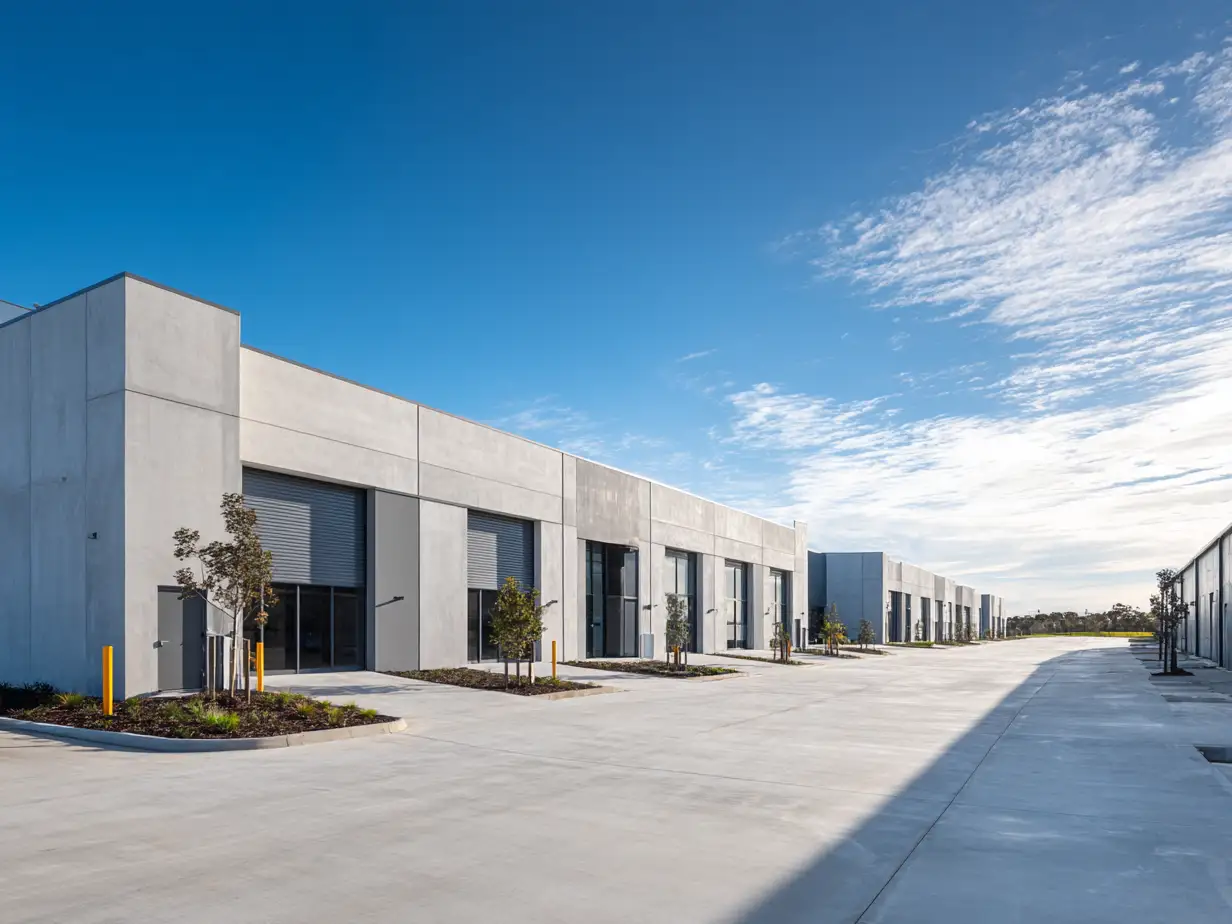
Every bay, every lease, and everyone holding a key
A small bay industrial park, a multi-tenant retail centre, a small office and flex park. Twenty doors, twenty leases, and several times that many people coming and going: each tenant's own staff, their contractors, their subtenants, and whoever they gave a code to last spring.
Suites and bays
The rentable units, their measured area, and exactly what is demised to whom. The thing every reconciliation and every renewal is calculated from.
Tenants and leases
The entity on the lease and the guarantor behind it, the term, the options and the critical dates, and what changed at every renewal, expansion, or assignment.
Subtenants and occupants
Who is actually operating out of the space, which is often not the name on the lease and is almost never on anybody's list until something goes wrong.
Contractors and vendors
Yours and the tenants', with certificates of insurance that name you as additional insured, checked against the issuer and watched for expiry.
Access
Keys, fobs, gate and alarm codes, and roof access, held against the suite and the person rather than a spreadsheet the last property manager kept.
The lease file
The lease and every amendment, estoppels, subordination agreements, and insurance certificates, with the version that was in force when something was agreed still readable.
We are not your property manager, and that is deliberate.
PlaceOne gives the owner and their team the tools. Running the asset stays with you.

The tools, not the service
No management agreement, no leasing commission, and no opinion about who should be running your property. Software you license and operate.
Works with whoever manages it
You, your own team, or the third party manager you already use. They get access like anyone else on the record, for as long as the relationship lasts.
The record stays with the asset
At a sale, a refinance, or a change of manager, the leases, the history, and the documents belong to the owner in a form they can read without us.
The work an owner actually has to do every month
Four things, and the reason they belong together is that all four are the same information asked for in different ways.
Lease management and reconciliation
The rent roll, escalations, options and critical dates, and the annual reconciliation of common area maintenance, taxes, and insurance against what each tenant was billed.
Tenant verification
Financial and background checking on a prospective tenant and the principals behind it, before the space is committed rather than after the first missed month.
Tenant portals
A way in for each tenant: statements and balances, the lease and its amendments, maintenance requests, and somewhere to file a current certificate of insurance without emailing it to somebody who has left.
Rent payment processing
ACH and card from tenants, posted against the lease as it settles, so the rent roll and the ledger are the same thing rather than two things reconciled at month end.
Three products, one asset
The same three modules the rest of the site describes. Two of them are what most commercial owners start with, and the third is available as software without the service that comes with it elsewhere.
OneRecord
Every suite, tenant, subtenant, contractor, and access grant in one record the owner controls, with the reason each relationship exists attached and a history of every change.
OneIDM
Verification set to what you require of a prospective tenant: entity and principals, financials, and the credentials of the contractors who will be given access.
OneManager
The working surface for the books, the portals, and the payments, run by you or your team. The managed service on that page is for associations and residential buildings, not for commercial assets.
The questions an owner has to be able to answer

Who has a key to unit 14, and why
The tenant, their staff, their own contractors, and the alarm company, each granted for a relationship with a reason and an end date rather than a name on a list.
Is that certificate current, and does it name you
Insurance checked against the issuer and watched for expiry, including the tenants' own contractors, who are the ones nobody chases until there is a claim.
Who is actually operating in the space
The tenant on the lease, an approved subtenant, or somebody they let in without asking. The first two are fine and the third is the reason to know the difference.
What did we agree, and in which amendment
Terms tied to the version of the lease that was in force when they were agreed, so a question about an option in year six is answered rather than argued.
What is owed, and what has been done
Arrears by suite with the history: what was billed, what was reconciled, what notice went out, when, and under which clause.
What a sale or a refinance needs
The rent roll, the estoppels, and the complete lease file, answered from the record rather than rebuilt from a filing cabinet under a closing deadline.

Bring the asset's real questions.
A 30-minute discovery call about the property, who runs it today, and which of it you would want to hand to software.
Request a call