MDU/Co-Op Management
Shareholders, sublets, building staff, and service providers, held in a record that outlasts any one management company.
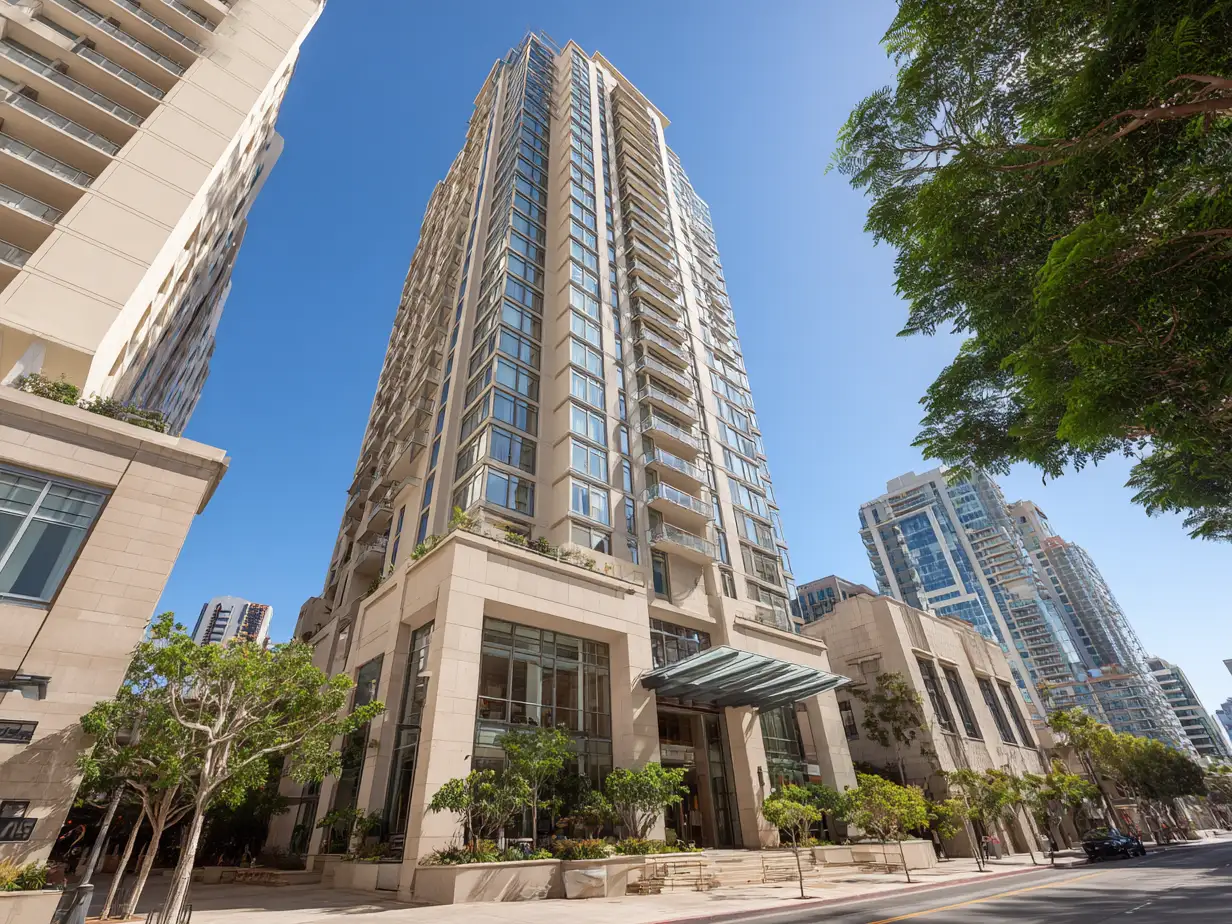
Shares change hands, the building does not
A co-op is a corporation that owns a building, and the people living in it own the corporation. Shares transfer, sublets begin and end, the board turns over, and the managing agent is replaced every few years. The staff usually outlast all of it, and so should the record.
Shareholders and apartments
Who holds the shares for each apartment, how many, since when, and the proprietary lease that goes with them. In a rental building, the tenancy in their place.
The board and its terms
Seats, officers, and elections, with the meetings, motions, and minutes attached, including the approvals the board is required to make itself.
Sublets and occupancy
Approved sublets with their terms and end dates, roommates, family in residence, and who is actually behind the door of an apartment whose shareholder lives elsewhere.
Building staff
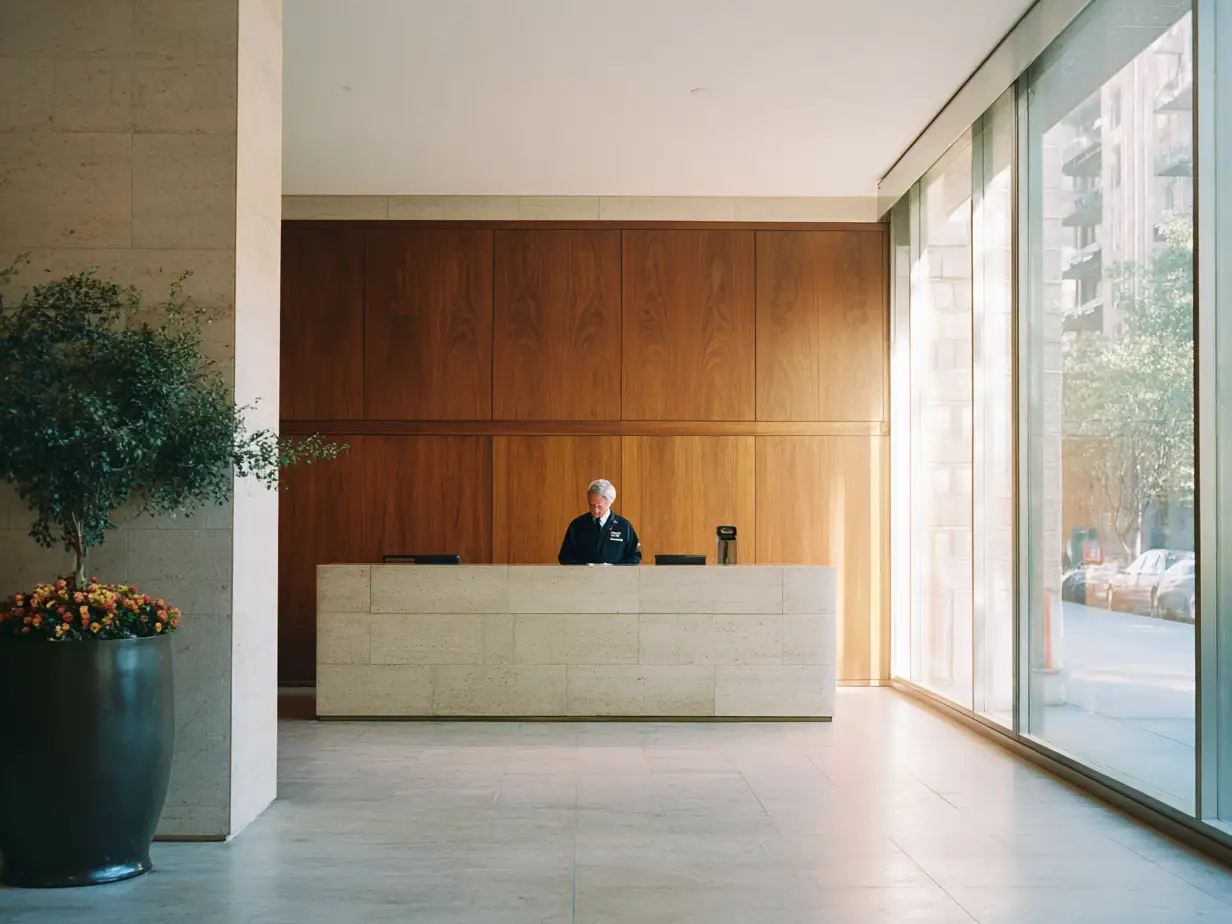
The resident manager, doormen, porters, and handymen: roles, shifts, certifications, and what each of them holds keys to. Often the longest serving people in the building.
Service providers
Elevator, boiler, roof, fire and life safety, cleaning, with licences and certificates of insurance on file and watched for expiry rather than collected once.
Governing documents
The offering plan, the proprietary lease, bylaws, house rules, and every amendment, with the version that was in force on the day a decision was made still readable years later.
Keep your managing agent, or let us be it.
The record belongs to the corporation, or to the owner, and never to the agent.
Alongside your agent
OneRecord and OneIDM sit underneath whatever your managing agent already runs. Their workflow does not change; the building gets a record it controls.
As your agent
Licensed and insured property management, with the maintenance charges, the arrears, the staff, the meetings, and the day to day, on the same system.
Either way, the record stays
At the end of a management agreement, or the end of a board's term, the building keeps the record, the history, and the documents, in a form it can read without us.
Three products, one building
The same three modules the rest of the site describes, and what each one is actually for when the building is a cooperative or a multi-dwelling property.
OneRecord
Every apartment, shareholder, sublet, staff member, vendor, and board seat in one record the building controls, with the reason each relationship exists attached to it and a history of every change.
OneIDM
Verification set to what the board actually requires. Purchase applications and sublet approvals, the staff you employ, and the contractors who will be given keys.
OneManager
The full management surface: maintenance charges and arrears, the reserve and the building's own obligations, approvals, board packets and minutes, the shareholder portal, and the notices.
The questions a co-op board has to be able to answer

Who holds a key, and to what
The front door, the service entrance, the roof, the basement, and the mechanical rooms, with the staff member or contractor each was issued to and the date it should come back.
Who is actually in 14C
The shareholder, an approved sublet, or family in residence. All three are legitimate, and the board still has to know which, particularly when the shareholder lives somewhere else.
Which shareholders are in arrears, and what has been done
Maintenance arrears by apartment with the full history: what was sent, when, by whom, and under which provision of the proprietary lease.
Is the contractor in the building insured today
Certificates checked against the issuer and watched for expiry, so the answer for whoever is on the roof this morning is on the record rather than in an email from last year.
What did the board approve, and under which rule
Transfers, sublets, and alterations tied to the version of the house rules that was in force when they were decided, not the version in force now.
What a transfer or a change of agent needs
The package a purchaser's attorney and their lender ask for, answered from the record, and a change of managing agent that is a change of access rather than a basement full of files.

Bring your building's real questions.
A 30-minute discovery call about your building, your current management agreement, and what you would want to keep.
Request a call